Since it’s Dental Health Month and we’ve been promoting our Dog Breath, we thought it might be a good time to give you the low-down on how our product works. (Bear in mind, this is mostly imaginative illustration… but we think it gets the main points across)
 Step 1: The Chew Itself
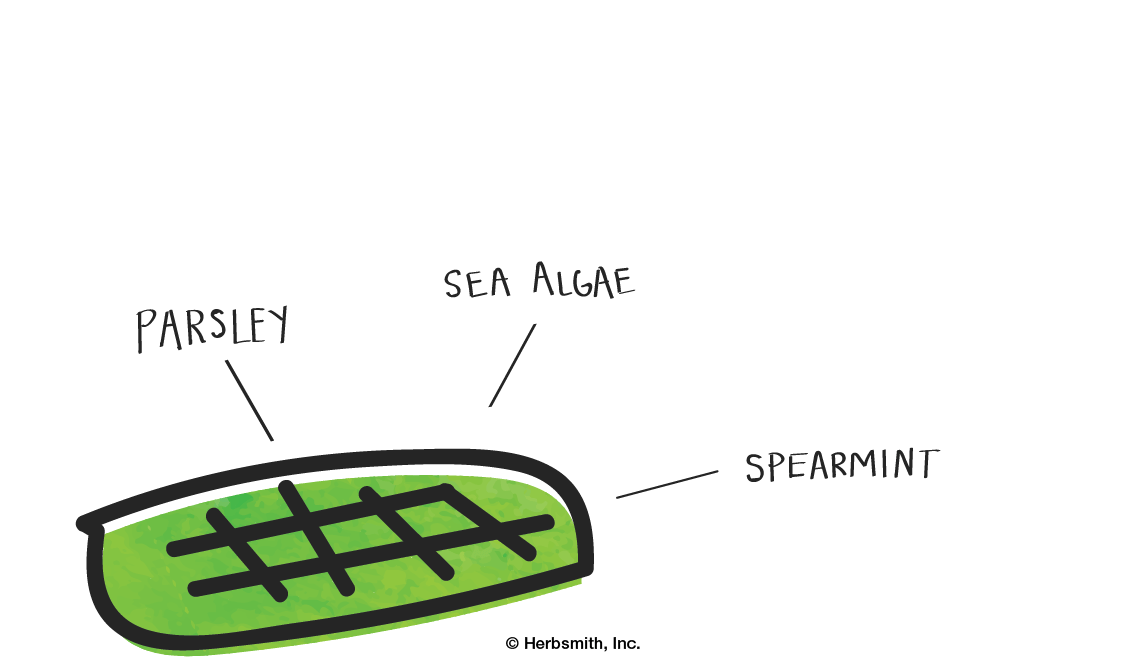
This is a Dog Breath Dental Treat (or rather, a roughly sketched version of a Dog Breath Dental Treat). The first thing to notice is that it’s green. That green color comes from the sea algae. If you read our previous post about dental health, you would have read about the biochemical property of sea algae that allows it to break down biofilm. Tartar, the buildup of gunk on a dog’s teeth, is essentially layers and layers of biofilm. With this knowledge about sea plants (coupled with our knowledge about canine dental health), we developed Dog Breath in order to use sea algae’s special talent to our dog’s advantage. It’s a natural and effective way to soften up the tartar on our dogs’ teeth and ultimately promote good dental health. Parsley and spearmint are also active agents in Dog Breath for freshening up that stinky breath!
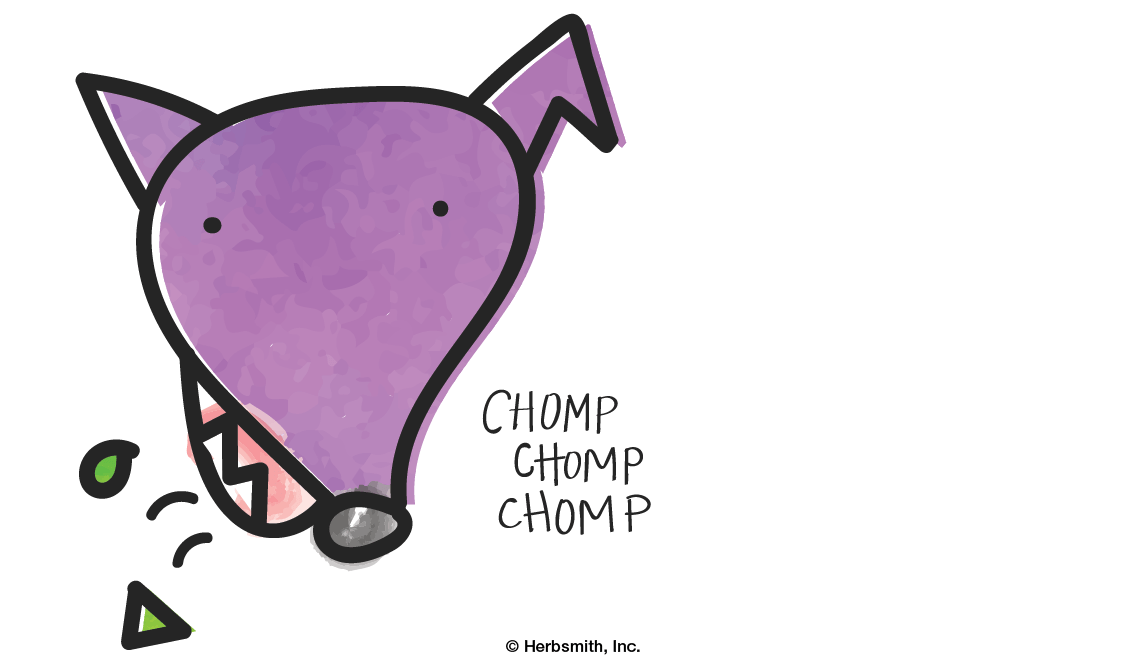
Dog Breath Dental Treats are not Dog Breath Dental Chews. They aren’t meant to be a time-consuming dental routine or a way to keep your dog busy while you cook up some dinner. A few chomps on the treat before bedtime will do the trick. If the treat is gone by the time you’ve re-zipped the bag, there’s no need to stress – that’s exactly the way they are meant to be eaten!
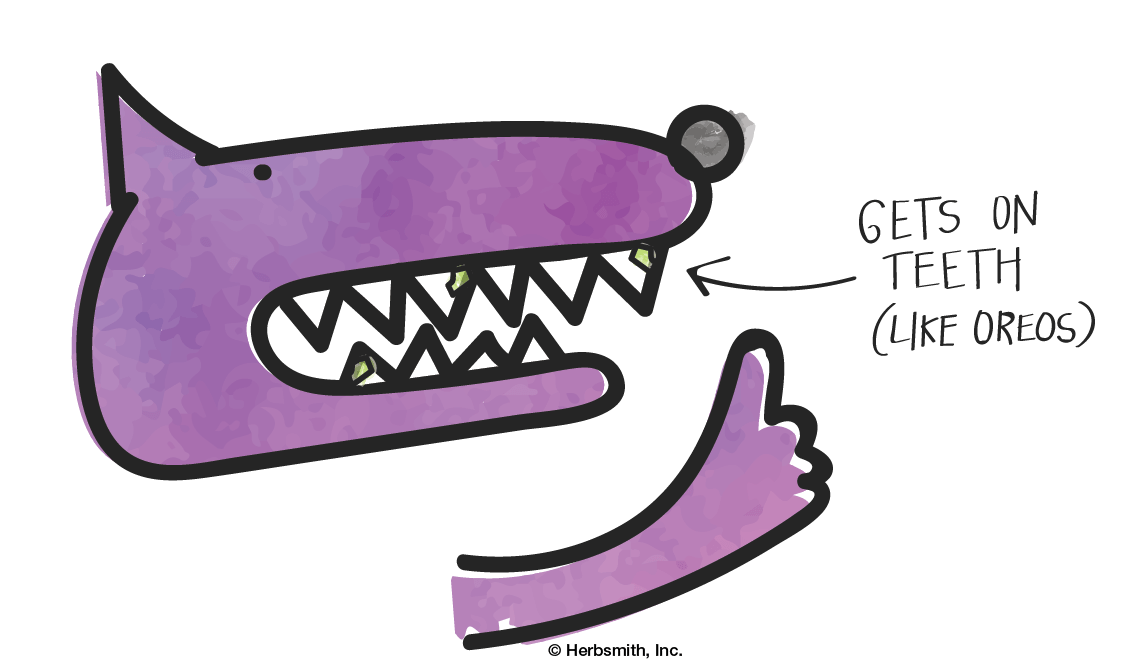
Those few brief chomps are enough to coat your dog’s teeth and gums in the active, tartar-fighting ingredients (kind of like when you eat Oreos and tiny crumbs of goodness get wedged in the cracks of your teeth). Letting those little crumbs soak into the tartar overnight gives them a chance to really work their magic. As your dog sleeps, the sea algae goes to work.
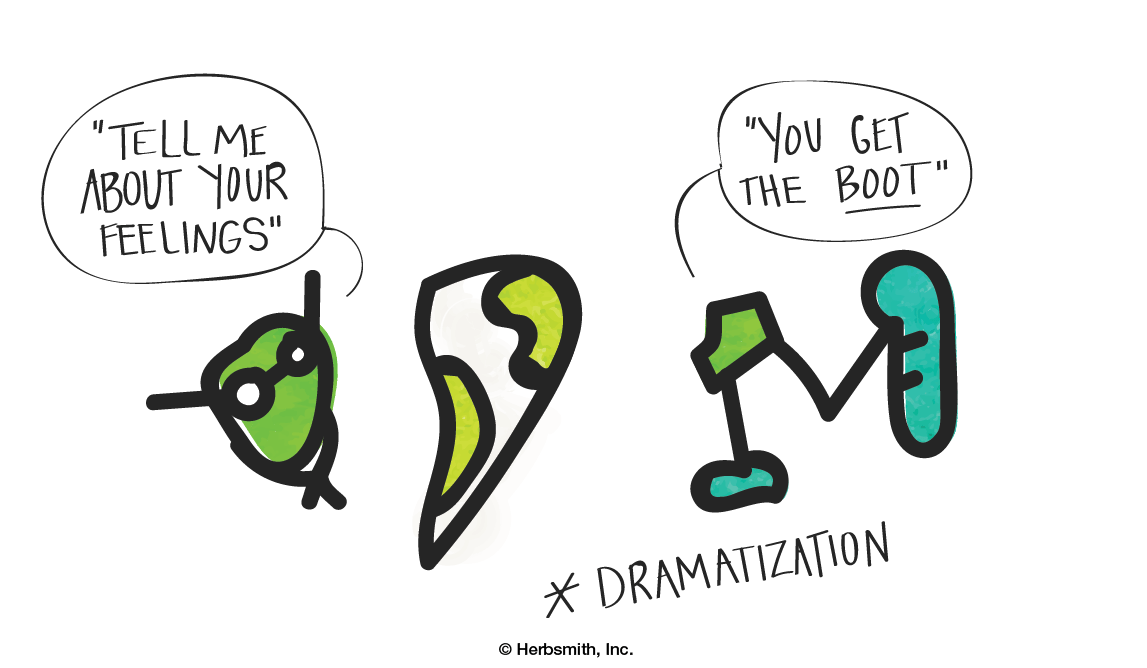
The sea algae soften up the caked-on tartar (perhaps with some sensitive vent sessions, or maybe with a little tough love). Whatever their method, the sea algae begin their breakdown process right at the gum line, where most dental health issues occur.
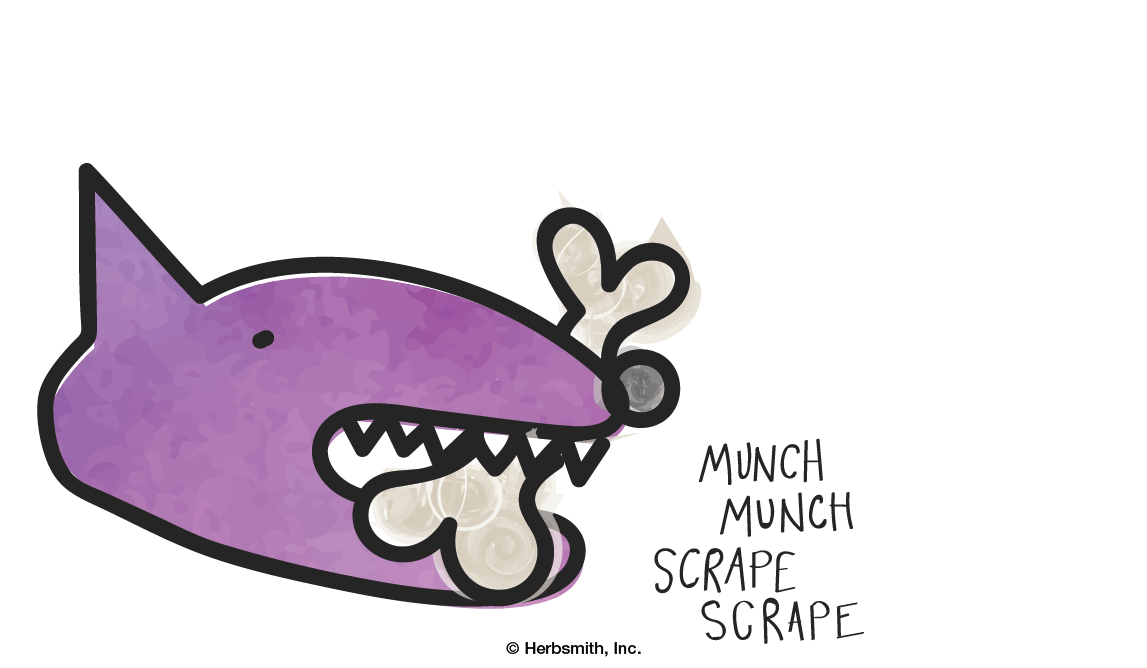
As the sea algae have time to sit, the activities your dog engages in will only further assist the sea algae to get the tartar out of there! Following up with a bone or other mechanical dental chew will help scrape off the softened-up tartar.

The combination of a chemical agent loosening up the tartar and a mechanical agent scraping it off works wonders for cleaning up the entire tooth (not just the bottom section as a traditional dental chew would).
Once your dog is in the routine of good dental hygiene, you’ll likely notice fresher breath and whiter teeth. And don’t forget, good dental health can help promote good overall health! What’s better than a happy and healthy dog!?