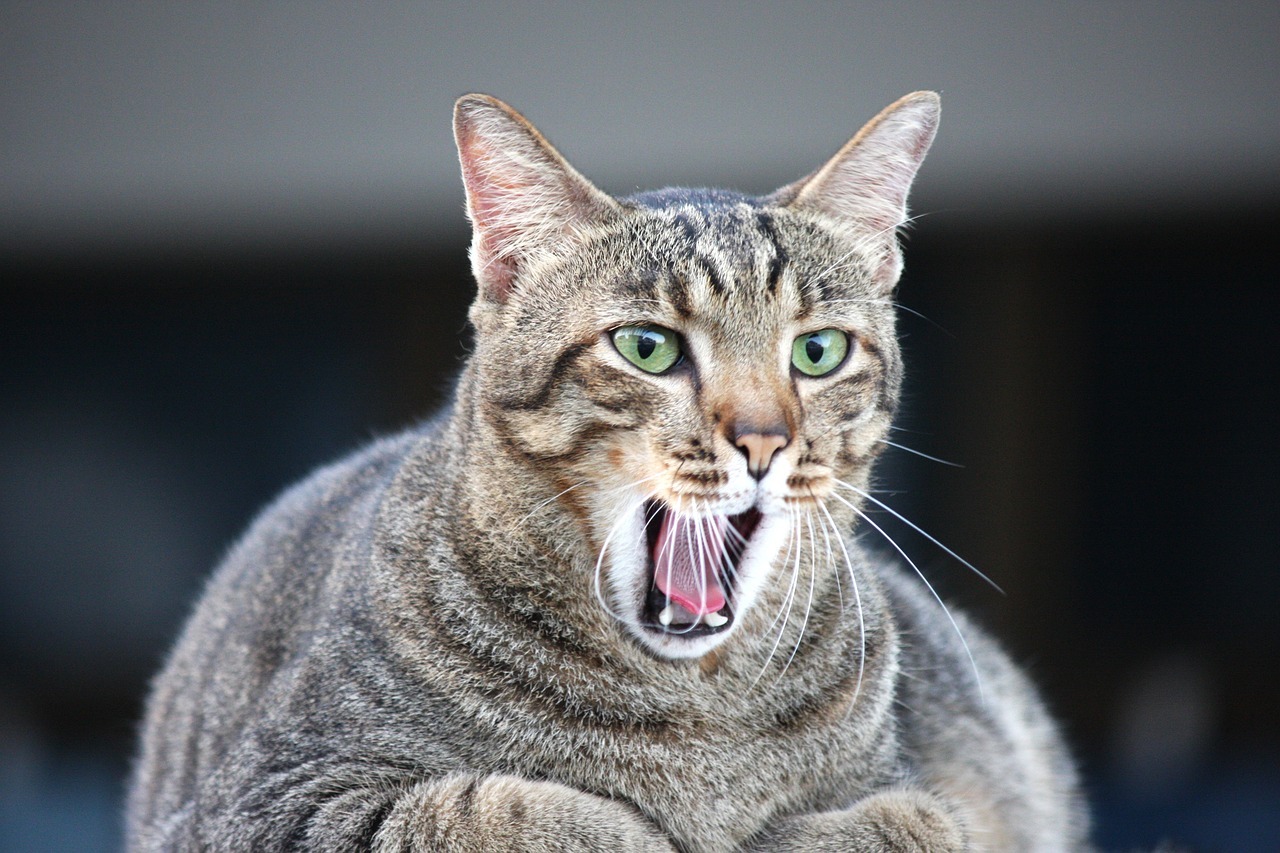
Your cat, the empress of sole (biting), queen of the porcelain throne, destroyer of unopened boxes, also happens to be a true or obligate carnivore who has unique dietary needs, three big ones in fact.

Cats need a diet high in moisture

Cats need a diet high in meat proteins

Cats need a diet low in carbohydrates
I know what you’re thinking, “But Empress enjoys her kibble, and she drinks from the kitchen faucet on occasion, so we’re good.”
But here’s the thing. Dry, carb-laden kibble doesn’t meet any of those requirements. And because a cat’s body, its anatomy and physiology, are built for the carnivorous diet, their bodies try and often fail to cope when they stray from it.
Diabetes, kidney disease, obesity… these are just some of the more common health issues that stem from years of an inappropriate diet like kibble.
Cats and Water
(i.e., the original “it’s complicated”)
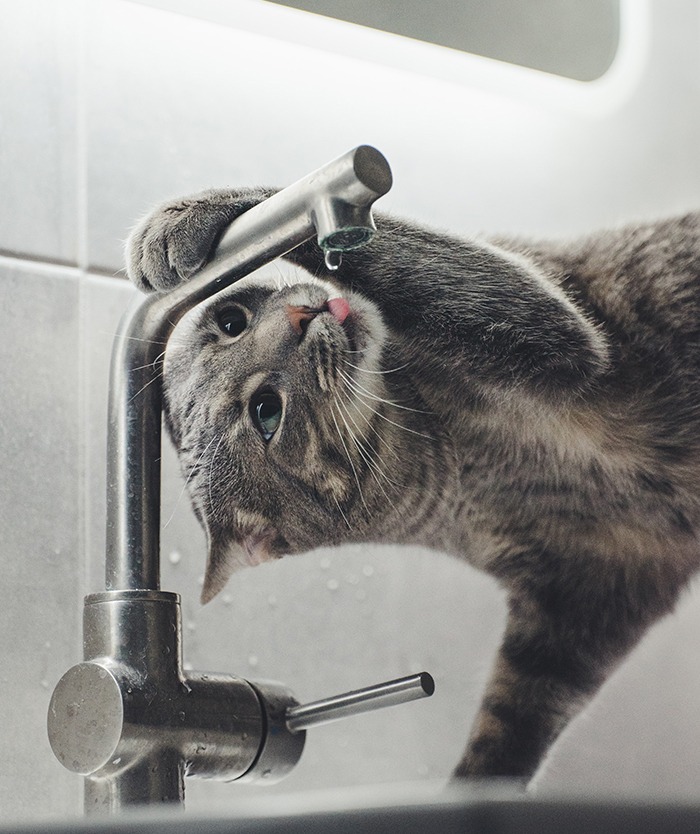
Wild and feral cats hunt and consume from 6-10 small animals a day, getting smaller amounts of moisture from their prey throughout the day, which may speak to some of the cat’s more unique physiological vulnerabilities for lack of a better word.
Cats are less sensitive to dehydration, have a lower thirst drive, and are capable of concentrating urine to conserve water loss. These may be rather practical devices put to use as cats hunt throughout the day, but not so much so when they simply have to saunter over to the automatic feeder to eat.
The Rather Obvious Reason Kibble Falls Short
Kitties need high amounts of moisture in their diet. Kibble very much lacks in that. It’s so low in moisture, in fact, that kitties only consume 6-10% moisture when fed kibble as opposed to 69% moisture gotten from a natural diet.
Think of moisture as an irrigation system for your kitty. It flushes the pipes, so to speak. When they don’t get enough moisture from their diet, they aren’t able to eliminate properly, which thanks to that nifty water conservation trick, means that they concentrate their urine. This creates the perfect storm for bladder crystals as minerals begin to cluster, and the bladder wall gets irritated by urine. And lest we forget, this all really means there’s one uncomfortable kitty.
Clearly, the cat’s complicated physiology makes it vulnerable to a whole host of urinary issues when there isn’t enough moisture in the diet (which we now know can’t be solved by fresh drinking water alone). So, please, please for the sake of their kidney and bladder health, add moisture in their diet.
Now on to the meat and potatoes (hold the potatoes).
Meat, Meat
And more meat protein, please
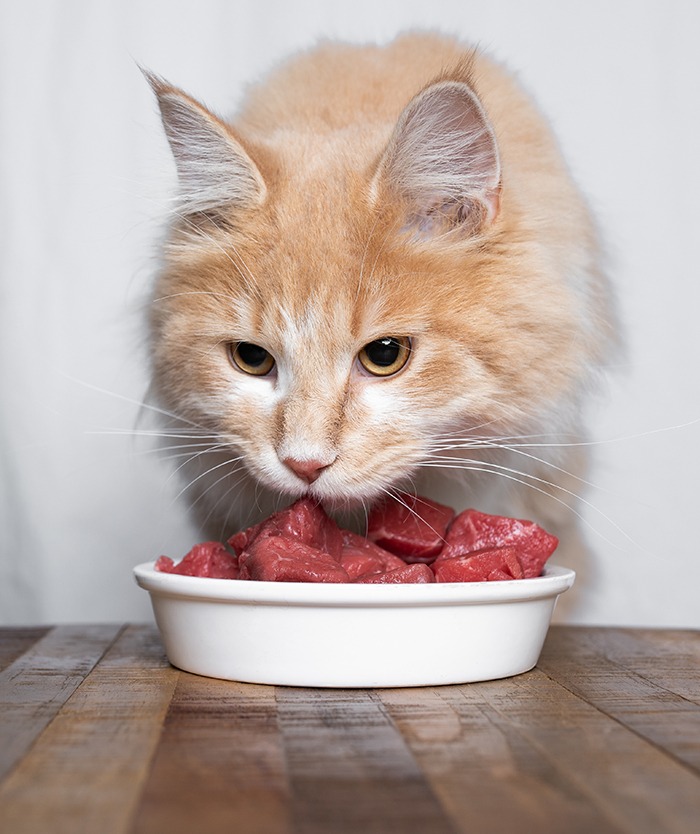
A species-appropriate diet for cats would consist of animal proteins and lots of it.
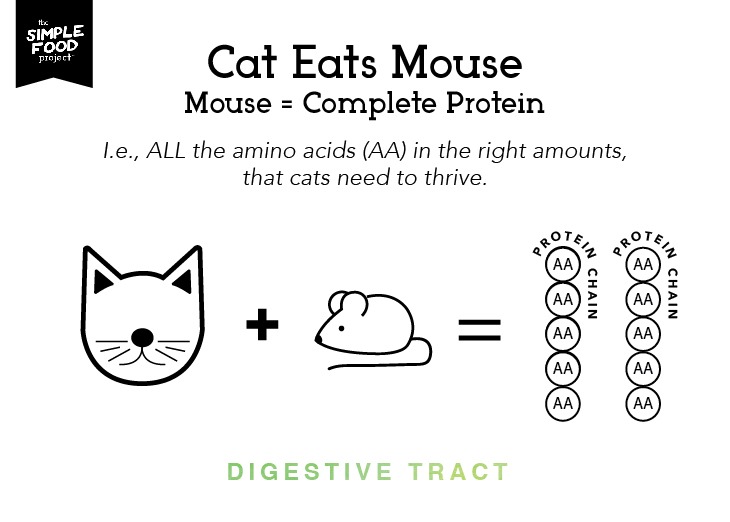
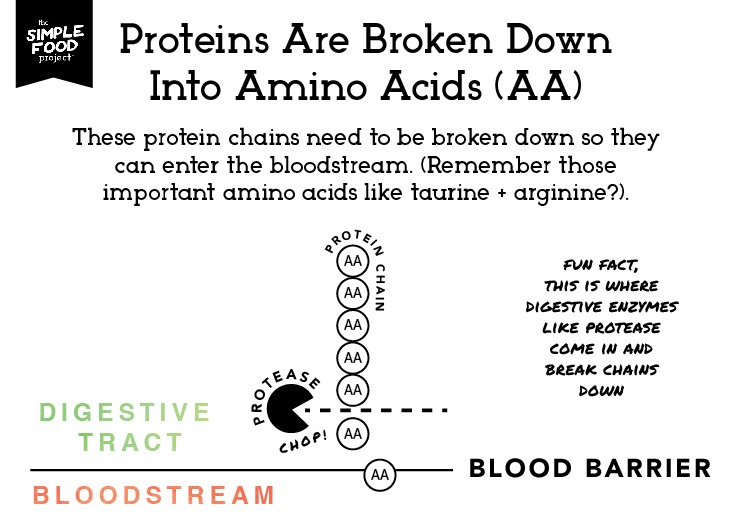
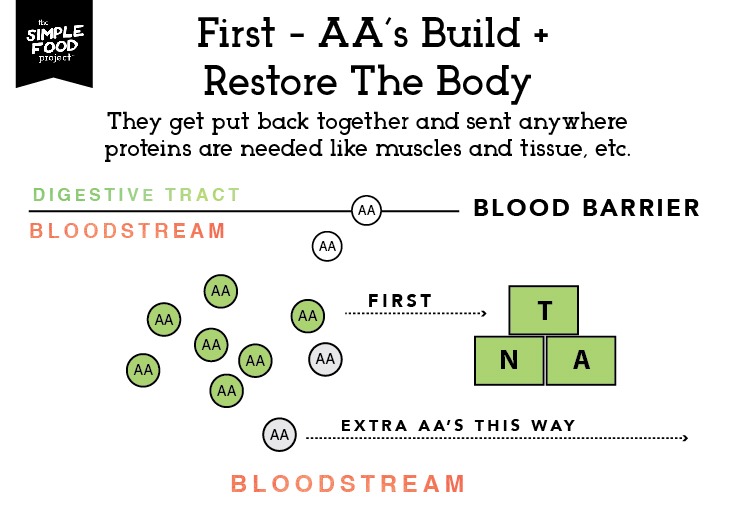
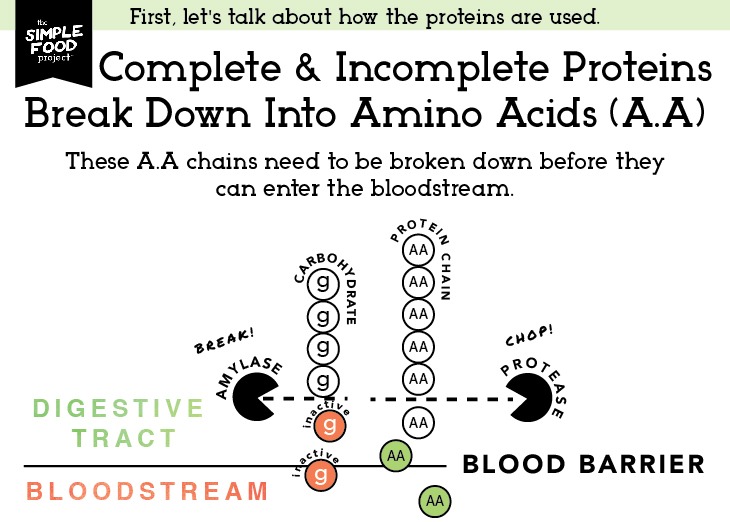
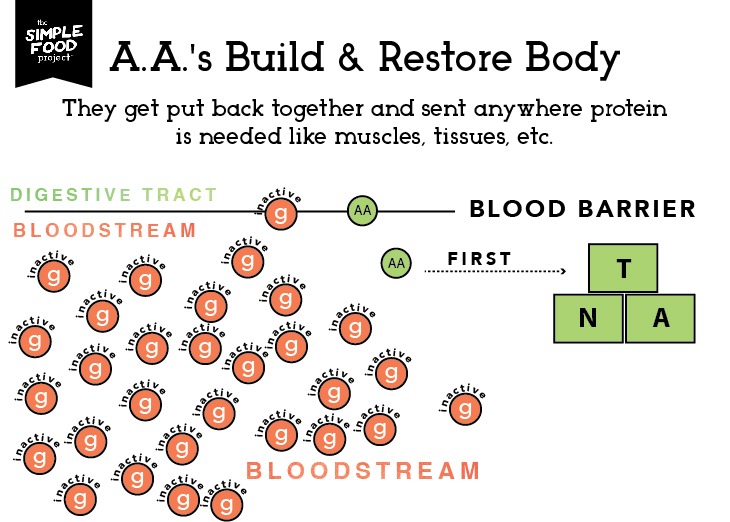
First, it’s important to know that amino acids are the building blocks of protein. People and even dogs, to an extent, can take the protein in plants and make the missing amino acids to create the protein they need. Cats can’t do this, which is why animal proteins are so important in their diet.
Animal proteins are complete proteins, meaning they provide kitties with all of the necessary amino acids, in the right proportions, that kitties need for growth and overall health.
Cats, in particular, need to get the amino acids taurine, arginine, and tryptophan from their diet, all of which are present in meat proteins.
Think of it as kitties getting a whole, ready-made dinner as opposed to just having the raw ingredients that they have no way of preparing.
Oftentimes, the protein in kibble comes from plants, including grains or starches like peas or legumes, which only offer incomplete proteins. And while pet food companies have invested a lot of time and money into adding nutrients back into pet food to make up for plants’ shortcomings, they still haven’t always gotten it right. Taurine, for instance, only became a dietary requirement in the ’80s after the surge in feline DCM cases made it clear that taurine was necessary in a cat’s diet.
Why A Diet Low In Carbs Matters
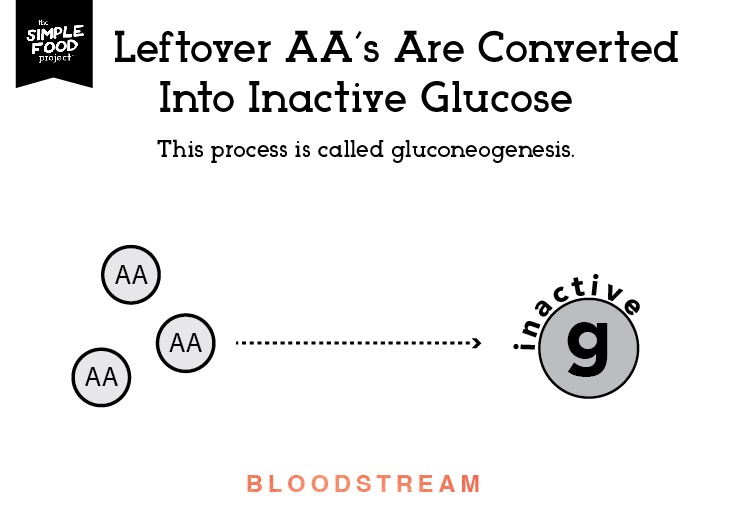
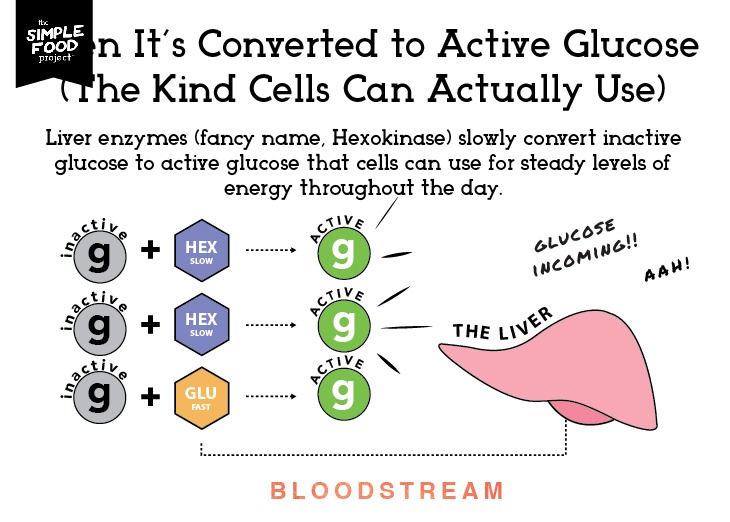
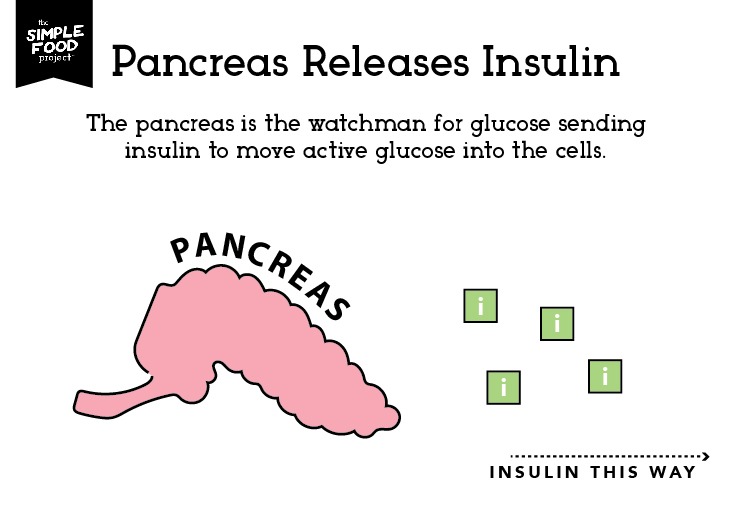
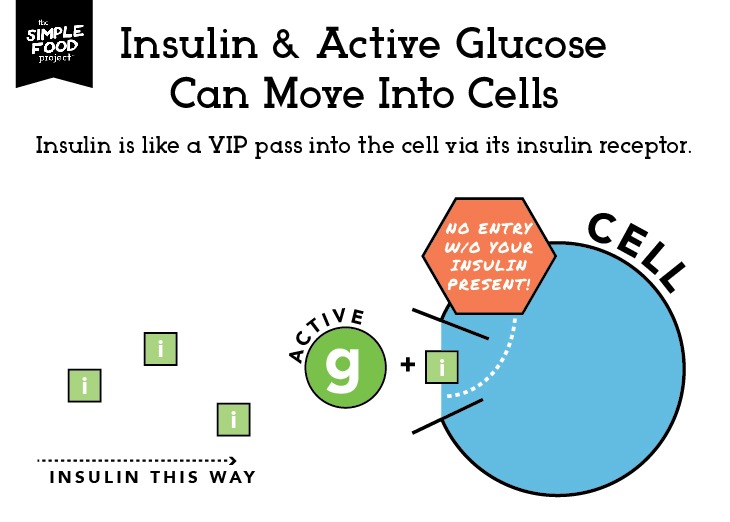
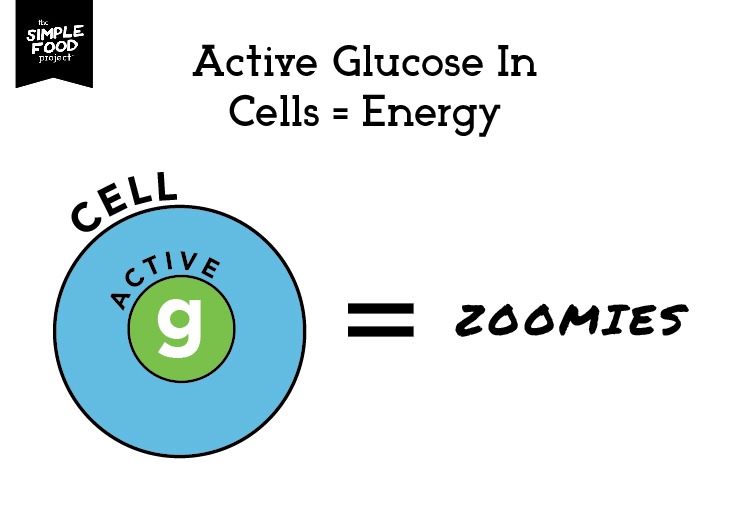
When a cat eats a high-protein diet, its body can actually use that biologically appropriate food like it was designed to, so it thrives.
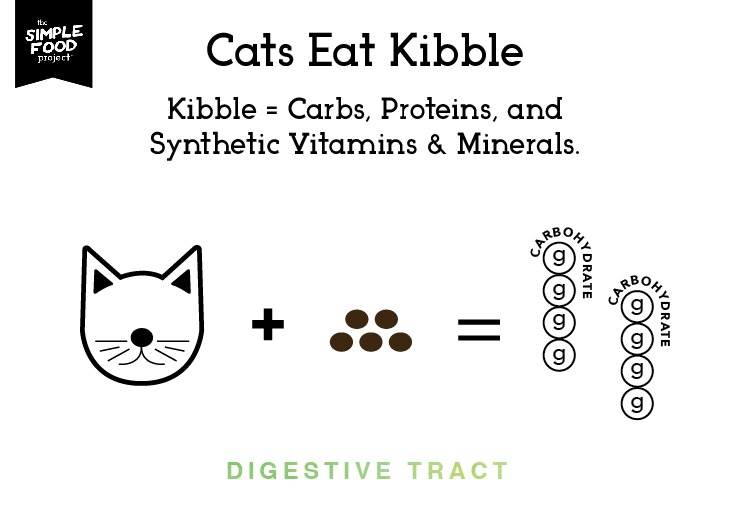
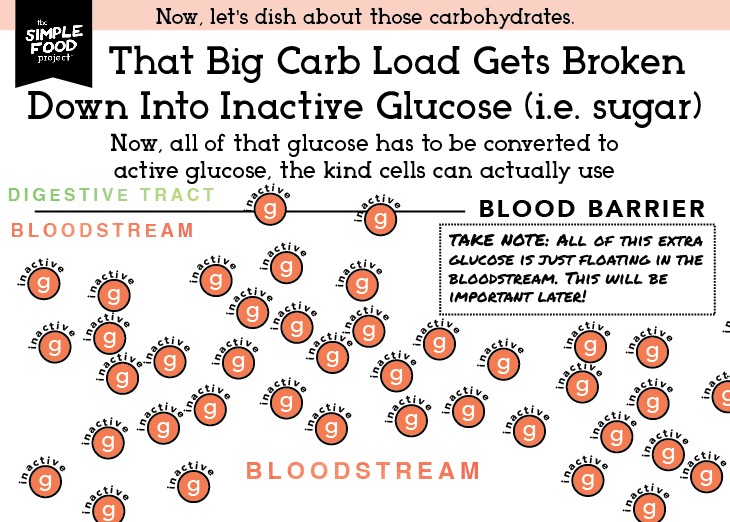
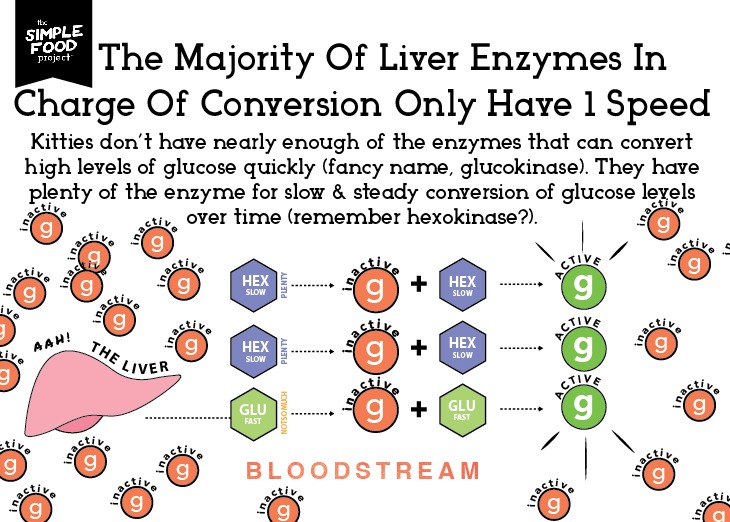
Flip through the diagram below to learn how kitties process a species-appropriate diet. (Never mind the rather over-simplified depiction of the amazingly complex systems in the body.)
What Happens When Cats Eat a Diet High in Carbs
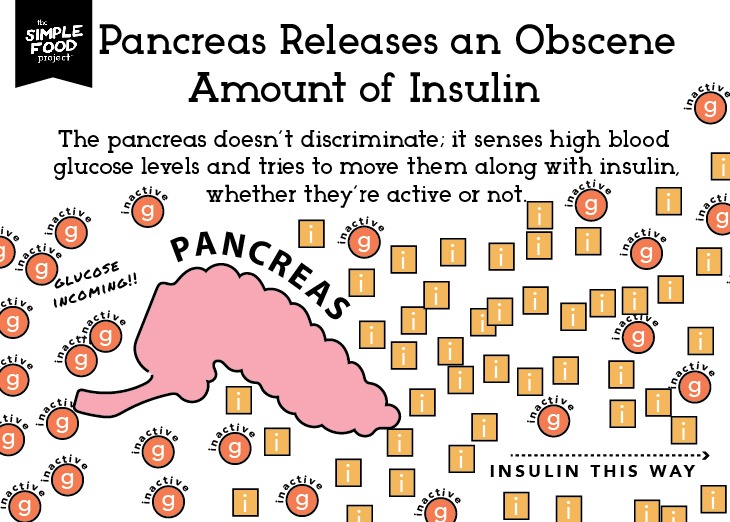
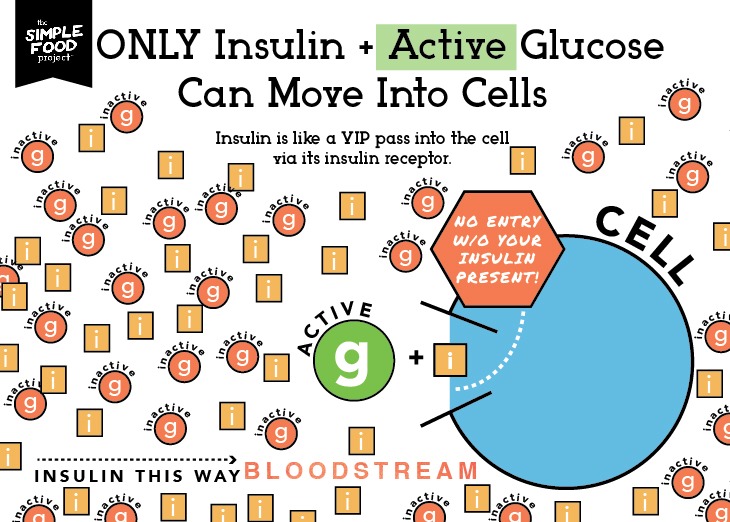
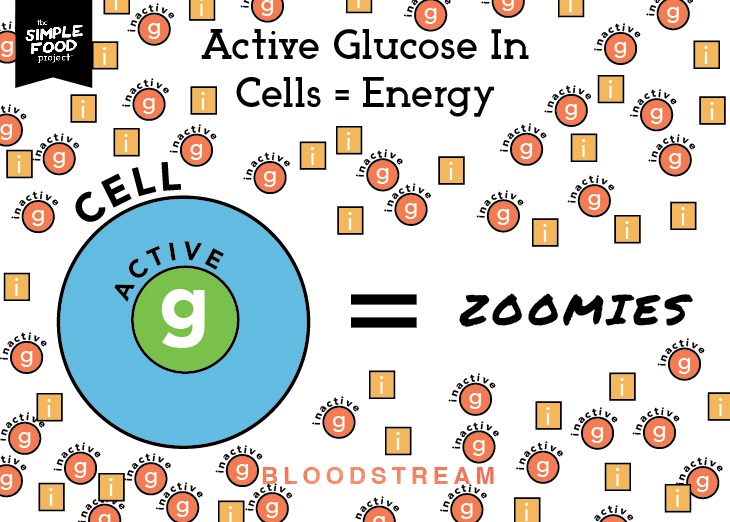
Flip through the diagram below to learn how (unsuccessfully) kitties process high-carb diets. (Never mind the rather over-simplified depiction of the amazingly complex systems in the body.)
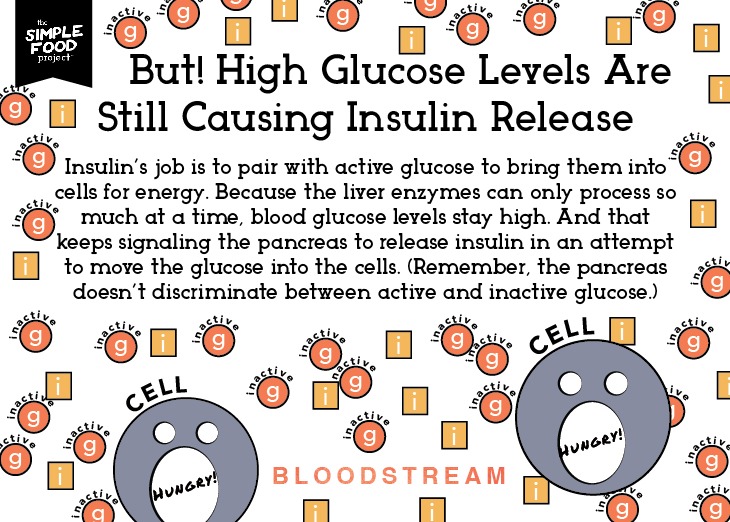
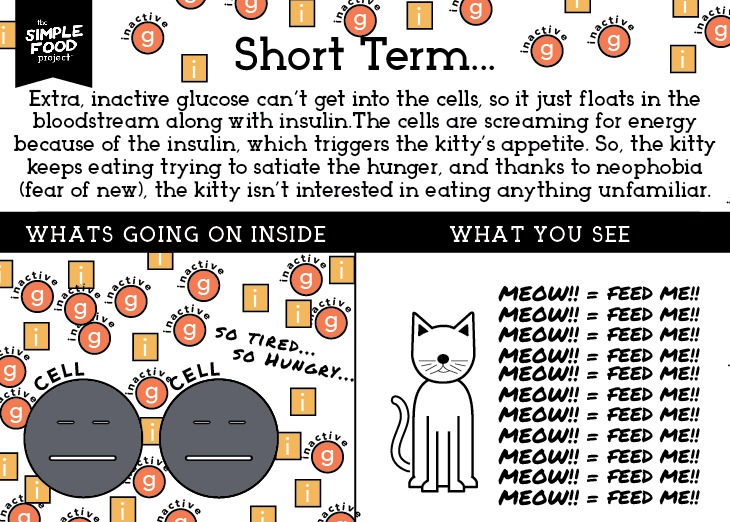
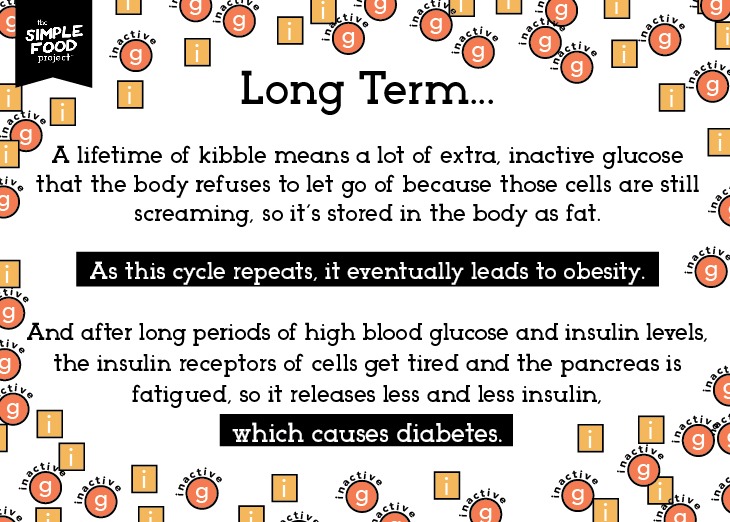
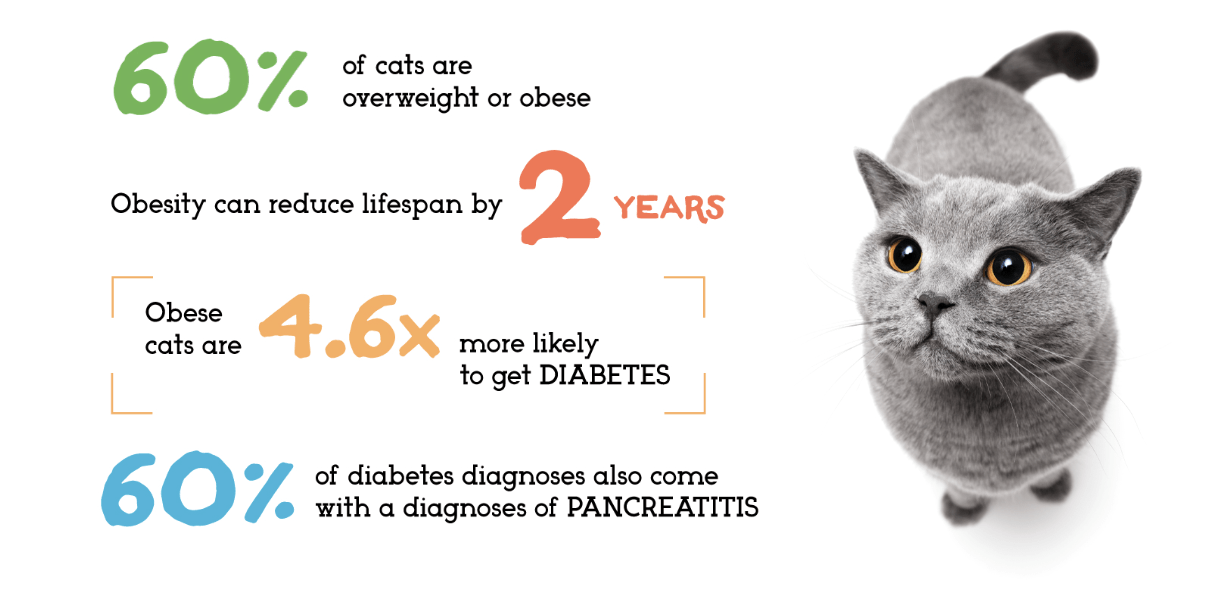
These Numbers Only Continue To Grow
Carb-aholic Intervention
It’s about time you had the talk
Any pet parent of an obese, carb-aholic kitty knows the struggle of trying to introduce healthier alternatives to carb lovers. Sparkles refuses to eat.
All cats can experience what’s called neophobia, a fear of trying something new. While this appears to pet parents as one stubborn picky eater, it’s actually a rather astute defense mechanism for cats who, in their natural diet, could very well eat something poisonous if they decided to go off-menu.
So, knowing that, you have to commit to quite possibly the longest game of chess with your kitty. If you’re on week 5, DO NOT LOSE HOPE. He’s likely to knock a few pieces from the board. He’s a cat.
It’s all about starting slow, approaching it with patience, and even a bit of trickery for the most stubborn of cats. Hey, if you’d only ever eaten Cheetos and an apple is plopped into your dish, you’d eye it with the utmost suspicion too.
Hard & Fast Rules for Transitioning
- Stop free feeding! Seriously, just stop. I can say it again if needed. Stop.
- This is important, so focus up. Do not fast your kitty. Their bodies aren’t designed for fasting and doing so can lead to liver dysfunction. Just know that some days you will have to feed them kibble if they aren’t budging.
- Give them two to three meals a day, offering fresh or rehydrated freeze-dried meat on top of their kibble (or at the bottom of a picky eater’s bowl). Remove any leftovers about a half-hour later. Do not dramatically decrease their feeding amounts, especially if your kitty is classified as obese. Cut their food very gradually in 5% increments.
- Each time your kitty begins eating the toppers, adjust the amount of dry kibble accordingly.
- Continue adding fresh meats, freeze-dried treats, and canned foods. Mix it up. Offer variety and just be prepared to throw a bit of food away in the process.
- For the most resistant amongst them, crumble a pinch of freeze-dried meat dust over their kibble and on their paws for good measure. Oftentimes, they just need to get used to their smell. Plus, they’ll lick their paws eventually.
- Be patient. You got this! You’ve done much harder things. You’ve endured botched bang cuts, made it through the dodgeball unit in senior P.E., heck, you’ve spent 20 winters shoveling snow, by hand for peets sake! You’re amazing!! And you, you warrior, know the idea of giving in to your cat now seems downright laughable.