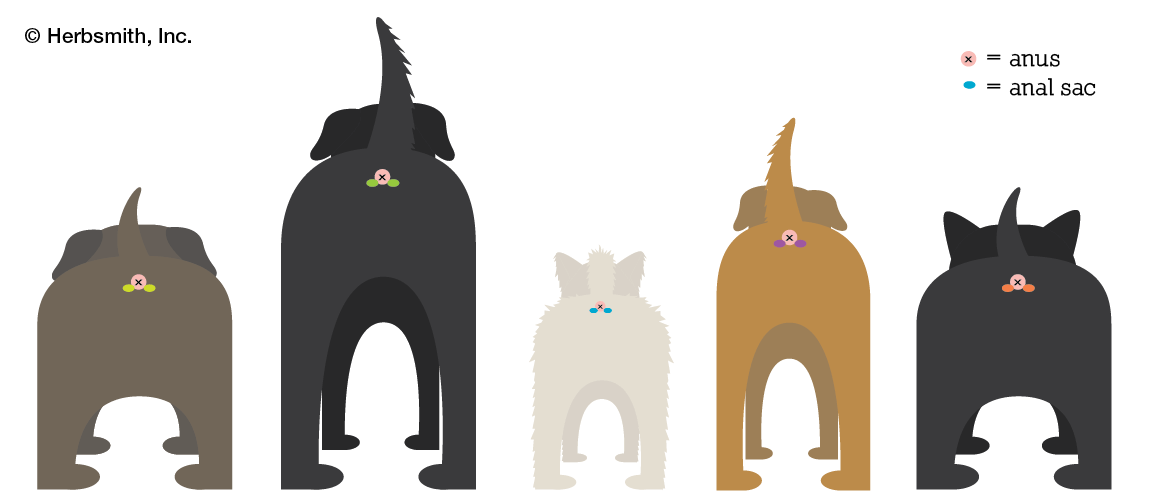
 Let’s get down to the nitty gritty of bowel health. There are elements of an animal’s behind that are really important to understand when looking at the larger scale of the digestive system (though they may not be so pleasant to talk about). Dogs and cats have anal sacs: small pouches of fluid that are located on either side of the anus. Each animal’s anal gland fluid has its own distinct smell (which is why dogs greet each other by sniffing each other’s butts). When stool is normal and firm, it puts pressure on these glands as it’s released from the body. The pressure causes the glands to express the fluid built up within the sac.
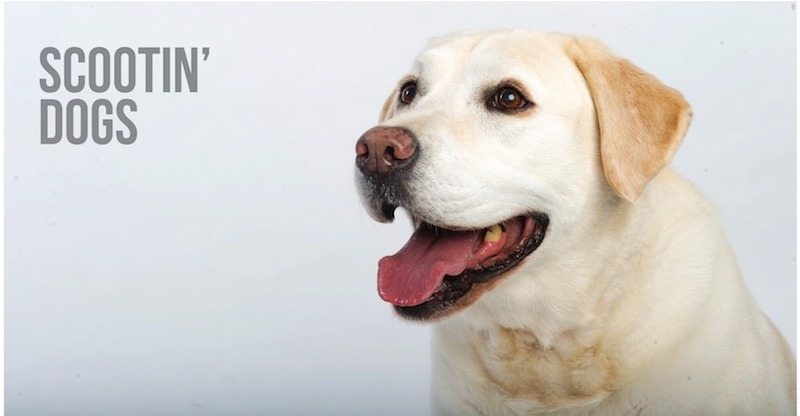
Why Dogs Scoot:
Issues with the anal glands are commonly caused by soft stool. When feces are soft, no pressure gets exerted on the anal glands to release the fluid. This causes them to overfill and clog, which is painful & itchy. Pets with clogged anal sacs tend to scoot as a means to manually express the anal glands.Normal function: firm waste puts pressure on the anal glands, which should express fluid regularly:
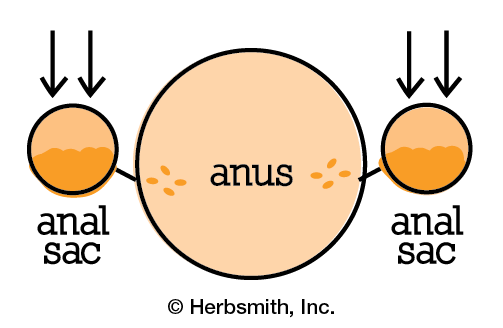
Soft stool effects: no pressure on anal glands to excrete fluid – sacs clog, making it painful & itchy:
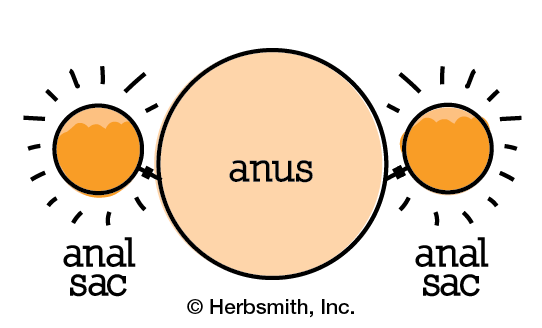
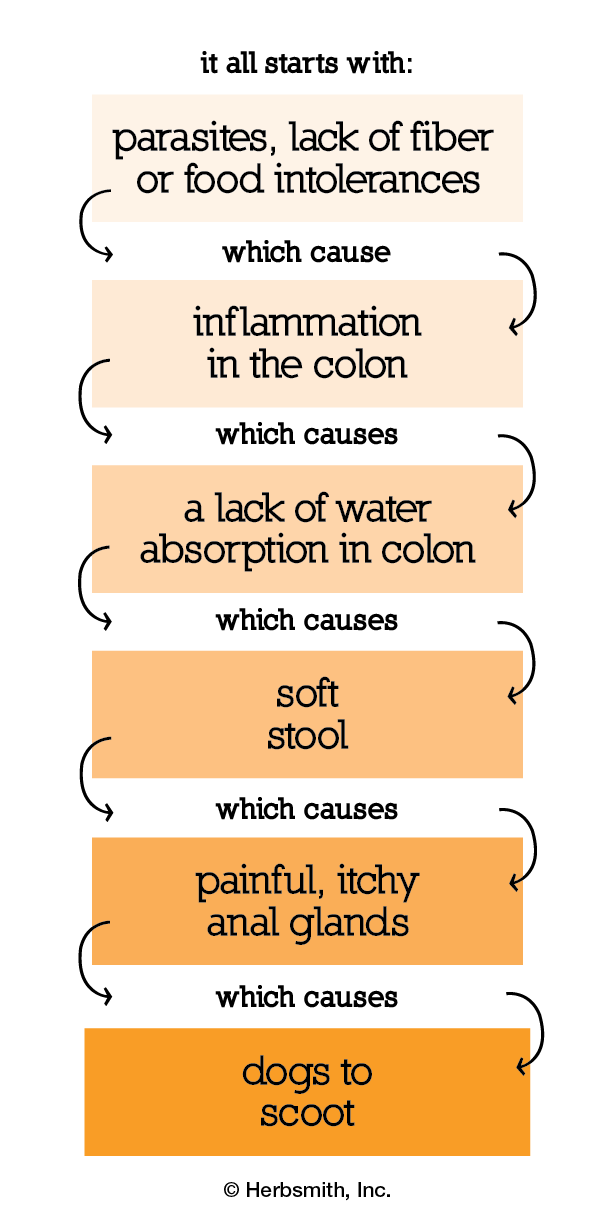
The colon is the culprit for soft stool. One of the colon’s main jobs is to absorb water from ingested food to form a firm stool. If the colon is inflamed, it can hinder this process of water absorption, so stool sneaks past the colon while its still very loose and watery. Inflammation in the colon can be a result of parasites, food intolerance, or lack of fiber. (Click to enlarge)
[wonderplugin_cond deviceexclude=”Mobile”]

[/wonderplugin_cond] [wonderplugin_cond deviceinclude=”Mobile”]
[/wonderplugin_cond]
Where Fiber Comes In
Adding fiber to an animal’s diet can help lighten the load on the colon’s water absorption process. By supporting bowel and anal gland health, fiber works to promote digestive health as a whole. The end result of increased fiber intake is regular, firm stool, which keeps anal glands from clogging and dogs from scooting.
Because its not easily digestible, fiber works by moving through the body mostly intact, collecting toxins and other non-essential bodily materials before being eliminated altogether (along with all the bad stuff it picked up along the way). There is a wide variety of great, natural sources of fiber that all can have different positive impacts on the digestive system. Pumpkin and lentils have high fiber content to firm up stool. Pumpkin seeds and diatomaceous earth have mild anti-parasitic properties to address the problem of parasites affecting colon function. Psyllium husks help balance the water in the colon, aiding the relief of constipation or mild diarrhea.
Natural Sources of Fiber:
- Pumpkin, Lentils: firm up stool
- Psyllium Husks: aid water balance in colon
- Pumpkin Seeds, Diatomaceous Earth: anti-parasitic properties
Herbsmith’s Bowel Health Supplement:
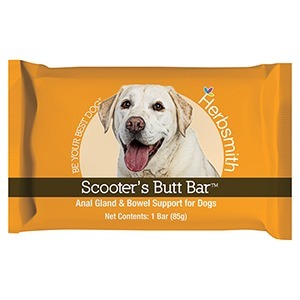 Scooter’s Butt Bar: These bars feature pumpkin, lentils, psyllium husk, pumpkin seeds, diatomaceous earth, and cinnamon to better support bowel and digestive health as a whole. We’ve also just introduced Scooter’s Butt Bar Minis for small dogs! For optimal digestive health, add Microflora Plus (probiotics, prebiotics, digestive enzymes, and herbs).