Your pet’s kidneys have a big job.
Every day, blood travels through the kidneys to be filtered. Waste gets sent out through the urine, while the body holds onto the water, minerals, and other things it still needs. The kidneys also help manage fluid balance and keep the body’s internal environment where it needs to be.
When they aren’t working as well as they used to, that job gets harder.
So, when we talk about supporting the kidneys, much of it comes down to one thing:
How can we make their job a little easier?
For a dog or cat with chronic kidney disease (CKD), that doesn’t come from one supplement or one change to the bowl. Food matters. Hydration matters. The gut matters. And herbs can provide another layer of support.
Put those pieces together, and you have a much more thoughtful kidney care plan.
What Changes When The Kidneys Aren't Working As Well?
Healthy kidneys are pretty good at sorting through what the body needs and what it doesn’t.
As kidney function declines, they become less efficient at that job.
Waste products can begin to build up in the blood. The kidneys may have trouble concentrating urine, so your pet pees more and loses more water along the way. Phosphorus, which healthy kidneys normally help regulate, can also become harder for the body to manage.
That’s why some of the first things pet parents notice with kidney disease are actually changes in everyday habits.
Your dog suddenly needs to go outside more. Your cat is hanging around the water bowl. They aren’t finishing meals like they used to. They’ve lost weight, have less energy, or simply don’t seem like themselves.
Those are changes worth talking to your veterinarian about. Kidney disease needs to be diagnosed and monitored with testing, and what your pet needs can change depending on how well their kidneys are functioning.
But once you know the kidneys need some help, a lot of that support starts right in the bowl.
So, What Does A Kidney-Friendly Bowl Look Like?
This is where we start taking some work off the kidneys’ plate.
Start with the right food
When your pet has CKD, the goal isn’t just to protect the kidneys. Their food still needs to keep them strong, nourished and feeling as good as possible. And that takes more than simply cutting protein.
Protein metabolism creates waste that the kidneys have to deal with, which is why protein has traditionally been restricted in kidney diets. But your dog or cat still needs protein to maintain muscle, organs, immune function and the rest of the body we’re trying to keep healthy.
And kidney patients are already prone to losing weight and muscle.
The goal is to find the balance: give the body enough highly digestible, bioavailable protein to maintain itself without unnecessarily adding to the kidneys’ workload.
Phosphorus deserves just as much attention. As kidney function declines, the kidneys become less efficient at removing excess phosphorus. A thoughtful renal diet controls phosphorus while using phosphorus binders to help reduce how much phosphorus is absorbed into the bloodstream.
But a kidney-friendly diet shouldn’t only be about what we restrict. What we put into the bowl matters, too.
A kidney-friendly diet should offer:
✓ Moderate high-quality, bioavailable protein
✓ Controlled phosphorus
✓ Phosphorus binders to help reduce phosphorus absorption
✓ Omega-3 fatty acids, particularly EPA and DHA
✓ Antioxidants to help protect against oxidative stress
✓ Plenty of moisture to support hydration
The goal isn’t simply to feed less protein. It’s to nourish the body while reducing the workload on compromised kidneys.
Work with your veterinarian to choose a low-phosphorus, whole food diet formulated around the needs of a kidney patient.
Add water. And then think about adding more.
Water helps the kidneys move waste out of the body.
But a pet with declining kidney function may produce more dilute urine and lose more water every time they pee. Keeping up with hydration becomes especially important.
So don’t rely on the water bowl to do all the work.
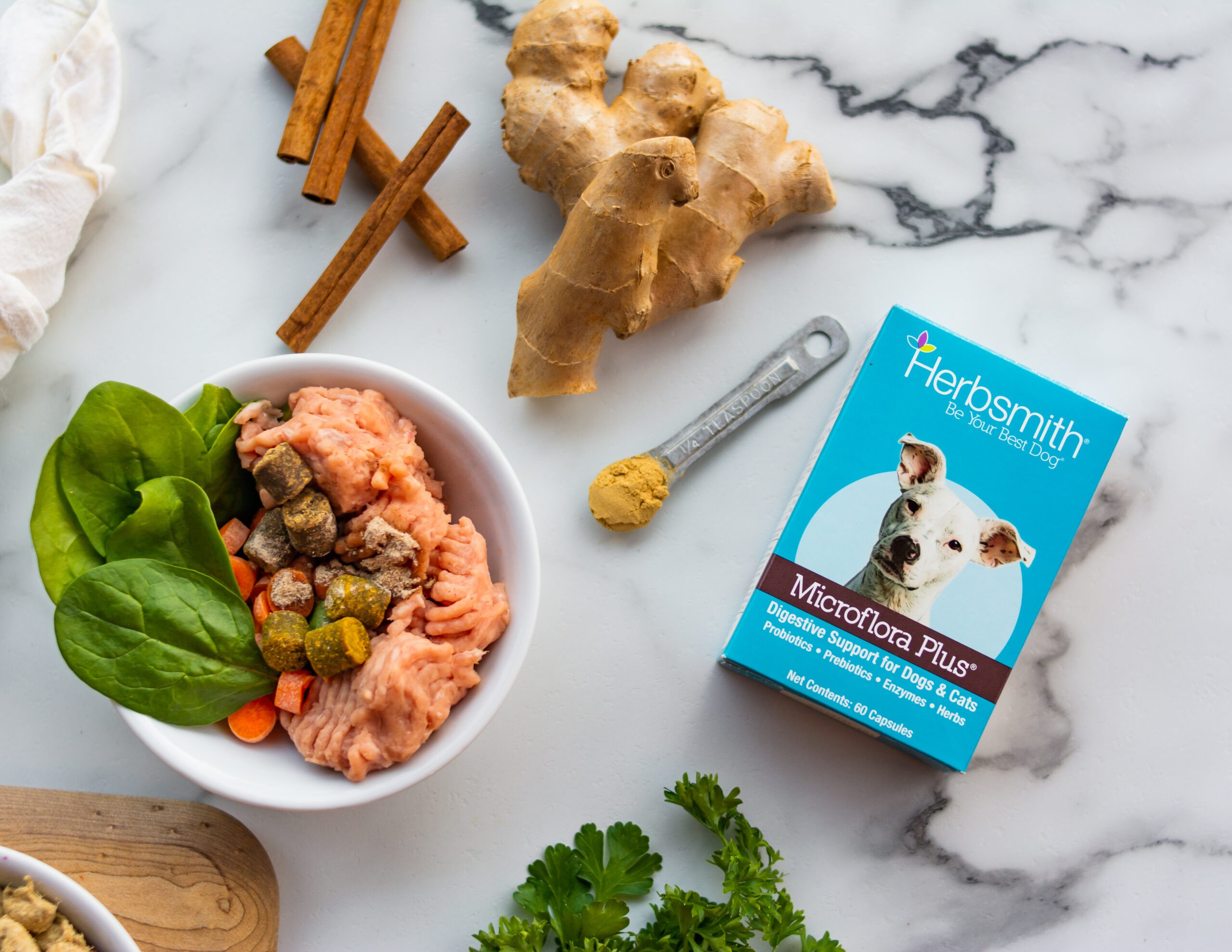
Add moisture directly to meals. Rehydrate freeze-dried food. Mix in warm water. Feed smaller meals more often.
Cats deserve even more attention here. They naturally get much of their moisture from their food and aren’t always great about making up the difference at the water bowl.
The easier we make it for them to get water, the better.
Bring the gut into the plan
This one may be less obvious.
When we think “kidneys,” we tend to focus only on the kidneys themselves. But there’s another very busy community worth paying attention to: the gut microbiome.
Adding therapeutic levels of probiotics, along with the prebiotics that feed those good bacteria, helps support a healthy gut and normal waste elimination.
That’s why veterinarians, Dr. Bessent included, often recommend adding therapeutic levels of probiotics and prebiotics to the kidney care plan.
It’s another way to support the systems doing the work alongside the kidneys.
Add kidney-tonifying herbs
Then we get to the herbs.
In Traditional Chinese Medicine, the goal is to support the kidney system rather than chase one individual symptom.
Rehmannia Root
Cornus Fruit
Dioscorea Root
Poria
Moutan Root Bark
Alisma
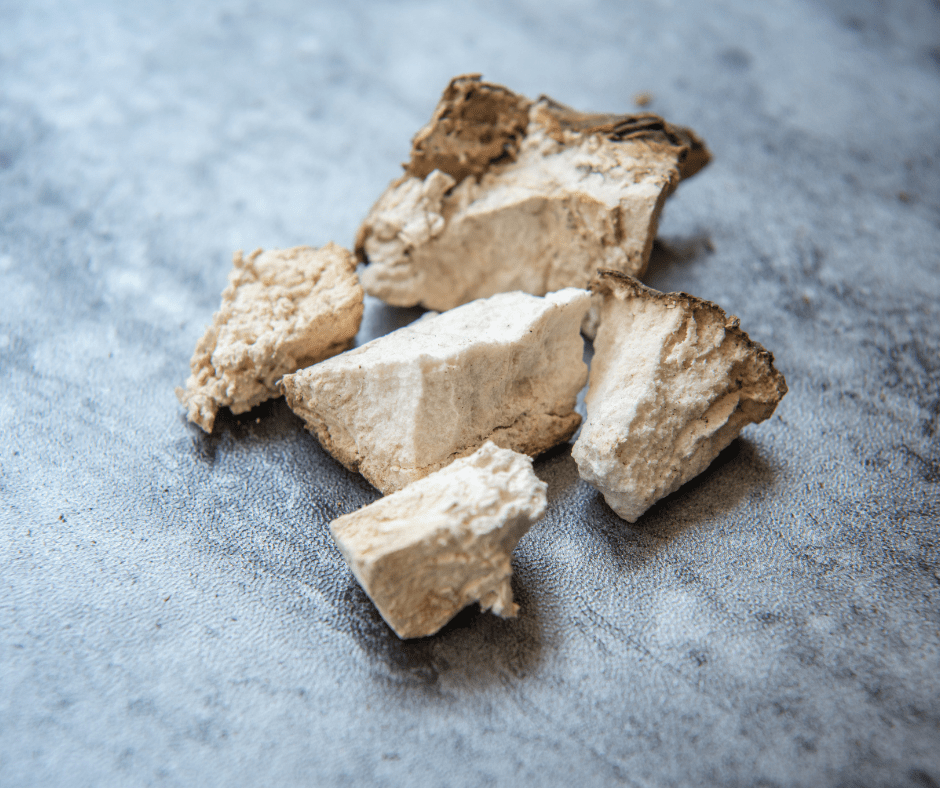
Together, these herbs are traditionally used to tonify the kidneys and support normal renal function, circulation, and fluid balance.
Think of these kidney-supporting herbs as one piece of the plan, not the entire plan.
For an aging four-legger, it can provide daily herbal support for normal kidney function. And when kidney function is already compromised, those herbs can be used alongside the renal diet, hydration, probiotics, and veterinary care your pet needs.
Sometimes The Hardest Part Is Getting Them To Eat It

Here’s the reality with kidney patients: they often don’t feel very good.
And a perfectly curated kidney bowl doesn’t do much good if your pet turns their nose up at it.
You may need to get creative.
Warm the food slightly to bring out the aroma. Try smaller meals more often instead of expecting your pet to finish one big bowl.
The goal is to build the right plan and make that plan realistic for the pet standing in front of you.
Build The Bowl Around The Kidneys
Kidney disease can feel overwhelming because there are a lot of moving pieces.
Come back to the kidneys’ job.
They need to filter the blood, manage fluids and minerals, and get waste out of the body. When they can’t do all of that as efficiently anymore, our job is to give them some backup.
The right renal diet helps take nutritional pressure off compromised kidneys.
More moisture helps keep your pet hydrated and supports normal waste elimination.
Therapeutic probiotics and prebiotics support the gut microbiome.
Kidney-tonifying herbs support normal kidney function, circulation and fluid balance.
That’s the bowl.
And alongside regular bloodwork, urine testing and the care your veterinarian recommends, it gives your dog or cat support from several directions instead of asking one scoop, food, or herb to do everything.
Because when the kidneys are already working hard, the best thing we can do is help make their job a little easier.

Kayla Behling
Kayla is the Content Writerr for Herbsmith. She has a cat named Professor Cat-Faced Meowmers, who goes by Kitty, and a goof of a dog, named Duck. She stays busy biking trails, playing board games, and searching for the next best craft beer.