I’ve spent much of my career talking about the importance of what goes into an animal’s bowl. And the more we learn about the gut microbiome, the more interesting that conversation becomes.
Because when we feed a dog, we’re not just nourishing the dog. We’re also influencing an entire community of microorganisms living inside them.
I recently explored canine dysbiosis for IVC Journal, a publication for veterinary professionals. But there are five things from that article I think every pet parent should understand.
On The Agenda
Gut Health Is About More Than Digestion

Your dog’s digestive tract is home to trillions of microorganisms that help break down food, produce useful compounds, and interact with the immune system.
When that microbial community becomes disrupted, we call it dysbiosis.
Digestive problems like diarrhea, gas, and poor stool quality are some of the more obvious signs that something may be wrong.
But the microbiome also interacts with the immune system and communicates with the nervous system. Researchers are continuing to explore how these connections influence health beyond the gut.
What this means for your dog: Pay attention to recurring digestive changes, even if they seem minor. Persistent problems deserve a closer look, not another round of trial-and-error feeding.
Adding Good Bacteria Is Only Half The Conversation
Probiotics get a lot of attention in pet nutrition. And they can be valuable tools.
But there’s another question I wish more people were asking:
What are we feeding the beneficial bacteria already living in the gut?
That’s where prebiotics come in.
Certain fibers make their way through the digestive tract without being broken down by the dog’s own digestive enzymes. Once they reach the large intestine, microorganisms can ferment them and produce compounds called short-chain fatty acids.
One of those compounds, butyrate, is particularly interesting because it helps nourish the cells lining the colon and supports intestinal barrier function.
That’s quite a bit more than simply helping your dog have a regular bowel movement.
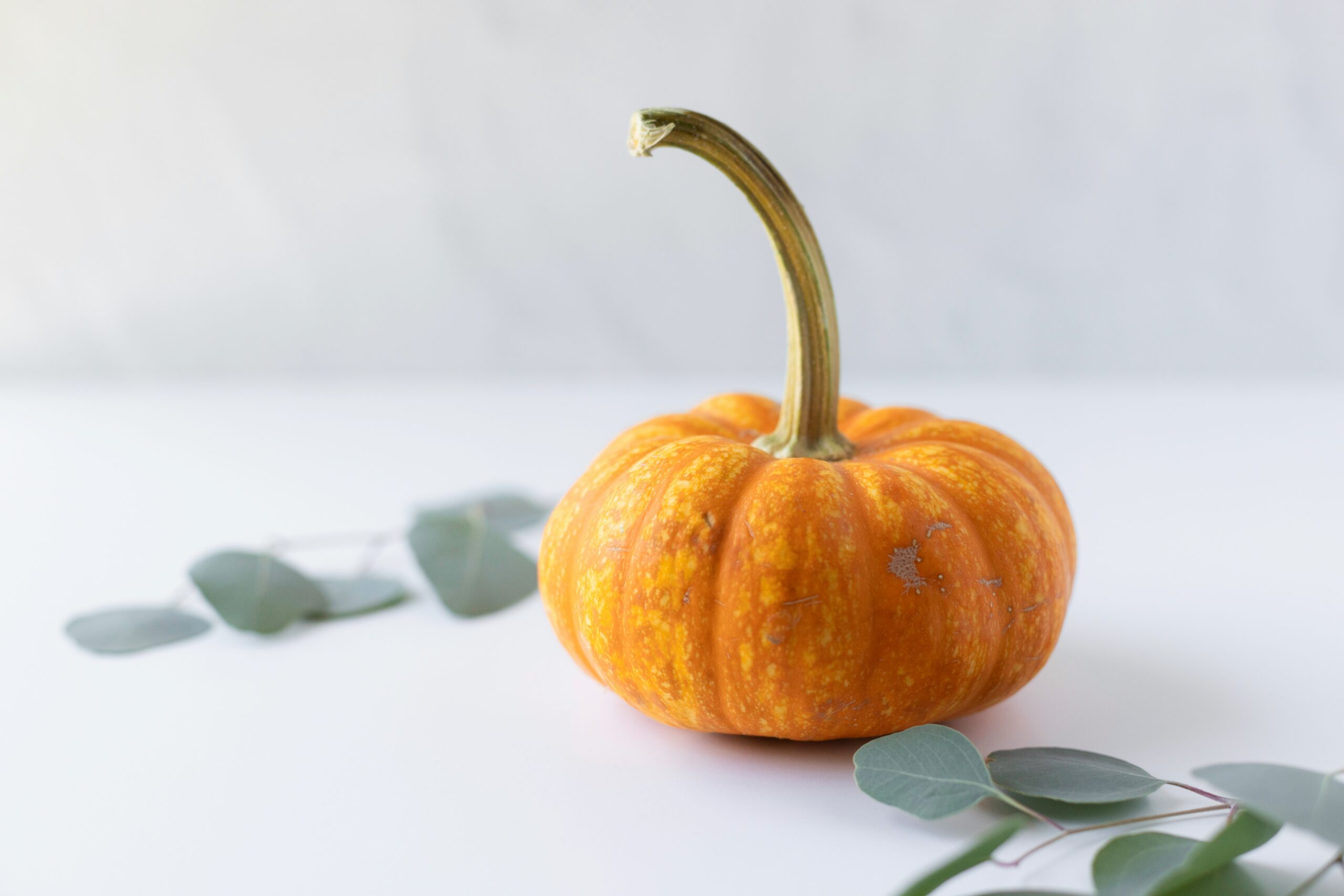
And the type of fiber matters. Chicory root, pumpkin, psyllium, and other fiber sources don’t all behave the same way. Some are more fermentable, some help regulate stool consistency, and some contribute both benefits.
This is why I don’t look at fiber as one ingredient with one job.
If you’re already giving your dog a probiotic, it’s worth looking at the rest of their diet, too. What kinds of fibers are present? Are they appropriate for your dog’s digestive condition?
Sometimes the conversation about gut health needs to start with what’s already in the bowl rather than what else we can add to it.
Your Dog's Gut Knows When Life Gets Stressful
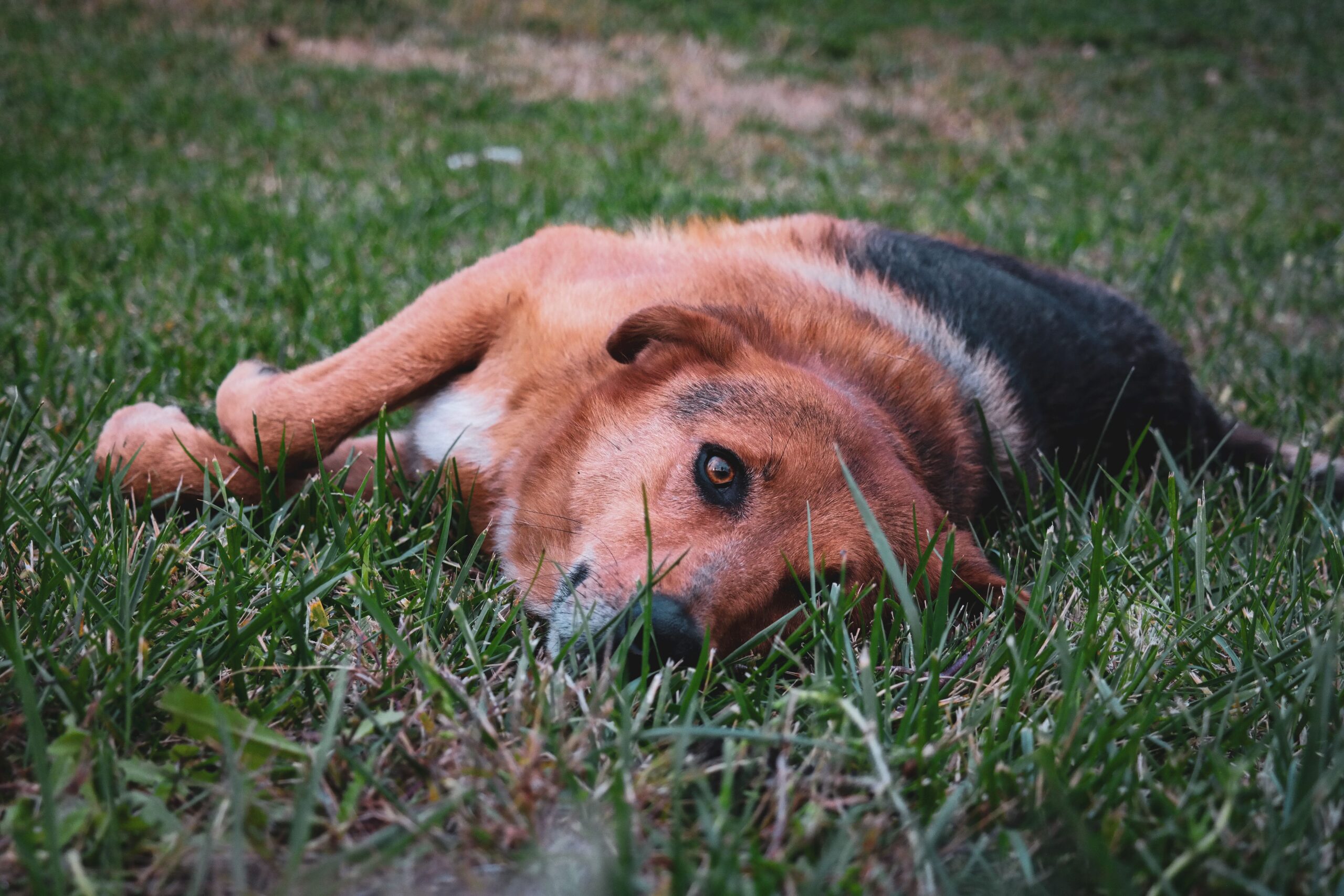
Have you ever noticed your dog’s stool gets loose after boarding, traveling, or a major change in routine?
There’s a reason stress can show up in the digestive tract.
The gut and brain are constantly communicating through what’s called the gut-brain axis. And that communication goes both ways.
Stress can influence how quickly food moves through the digestive tract, how the intestinal barrier functions, and the environment in which gut microorganisms live.
At the same time, microorganisms in the gut produce compounds and interact with pathways that can influence communication with the nervous system.
This is one reason I’ve always valued looking at the whole animal.
A dog with recurring digestive problems may need more than a change in food. I want to know what’s happening in their daily life, too.
Did the symptoms begin after a move? Does diarrhea tend to follow boarding? Is the dog anxious during travel? Have there been changes in medications or routine?
Those details matter.
Of course, we shouldn’t assume stress is the cause of every digestive problem. Persistent diarrhea, vomiting, weight loss, or changes in appetite deserve veterinary attention.
But when we’re trying to understand what’s happening in the gut, the animal’s environment and emotional well-being deserve a place in the conversation.
A Normal-Looking Stool Doesn't Tell Us Everything
I want pet parents to pay attention to their dog’s stool. It’s one of the easiest ways to notice changes in digestion.
But there’s something important to understand.
A good-looking stool doesn’t automatically mean the gut microbiome is in balance.
Stool consistency tells us something about how the digestive tract is functioning. But it doesn’t tell us which microorganisms are living there, what they’re producing, or how they’re interacting with the rest of the body.
And that’s what I find so fascinating about the microbiome.
The bacteria living in your dog’s gut are doing far more than helping digest food.
They’re producing compounds that nourish the intestinal lining. They’re communicating with immune cells. They’re involved in processes that influence inflammation, metabolism, and even gut-brain communication.
Think about that. An entire community of microorganisms is helping regulate important functions throughout your dog’s body, and we can’t judge how well that community is functioning just by looking at their stool.
It’s one reason researchers are looking so closely at the relationship between changes in the gut microbiome and conditions involving the skin, immune system, and other parts of the body.
In veterinary medicine, we even have tools like the canine Dysbiosis Index that help us identify changes in certain gut bacteria.
So what does this mean for your dog?
Pay attention to patterns, not just individual bowel movements.
If your dog has recurring digestive trouble, consider when it started, whether anything changed in their diet or medications, and whether you’ve noticed other changes in their health.
Those observations can help you piece together what’s happening beyond the immediate symptom and make more informed decisions alongside your dog’s care team.
And even when digestion seems perfectly normal, there’s good reason to care about the microorganisms living in your dog’s gut.
They’re contributing to your dog’s health every day, whether you can see it or not.

The Goal Isn't To Keep Adding To The Bowl
When a dog has digestive problems, it’s tempting to start adding things.
A probiotic. A digestive enzyme. More fiber. A different food.
Sometimes those changes help. But if the same problems keep coming back, I think we need to ask a more important question:
Why is this happening in the first place?
Two dogs can have the same loose stool for completely different reasons.
One might be recovering from antibiotics. Another might have a digestive tract that’s sensitive to changes in routine. A third might have an underlying intestinal condition.
And that matters because what helps one dog may not be what the next dog needs.
It’s also why I’ve always valued having different tools available, including herbs.
Take slippery elm and ginger. Slippery elm contains a gel-forming fiber traditionally used to soothe an irritated gut. Ginger has been studied for its effects on nausea and how food moves through the digestive tract.
Both have a place in the larger conversation about digestive support, but they do different jobs.
That’s what I want pet parents to start thinking about. What am I trying to help my dog’s body do?
Maybe you’re looking to support healthy stool consistency. Maybe you’re thinking about the bacteria living in their gut. Or maybe you’ve noticed that digestive upset tends to happen after boarding or travel.
Those observations can help you make more informed choices about what goes into your dog’s bowl.
And when digestive problems keep returning, it’s worth investigating the cause rather than continuing to add things.
The goal isn’t to use every tool we have.
It’s to understand the problem well enough to choose the right ones.
The Bigger Picture
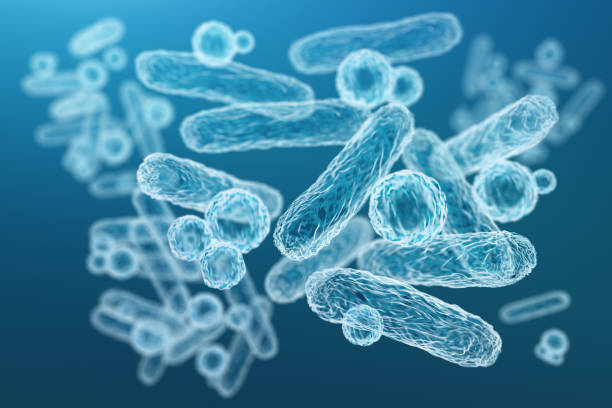
After 38 years in veterinary medicine, I still find the gut microbiome fascinating.
We once thought of the digestive tract primarily as breaking down food, absorbing nutrients, and eliminating waste.
Those functions are still essential. But now we’re learning just how much the microorganisms living there contribute to the bigger picture.
And it’s changing the questions we ask about nutrition.
We’re looking more closely at what feeds the microbiome, what it produces, how it interacts with the immune system, and how those interactions may influence health throughout the body.
For me, that reinforces something I’ve believed throughout my career: what we feed an animal matters far beyond the numbers on a nutritional analysis.
If you’d like help thinking through what belongs in your own dog’s bowl, you can start with my Curate the Bowl Quiz.
And if you’d like to explore the clinical side of this topic, including the research and integrative therapies veterinarians are considering, read my full article in IVC Journal.
Read: Complementary and Alternative Modalities for Treating Dysbiosis in Dogs